Five City-Owned Lands Added to Manitoba's Protected and Conserved Areas Network
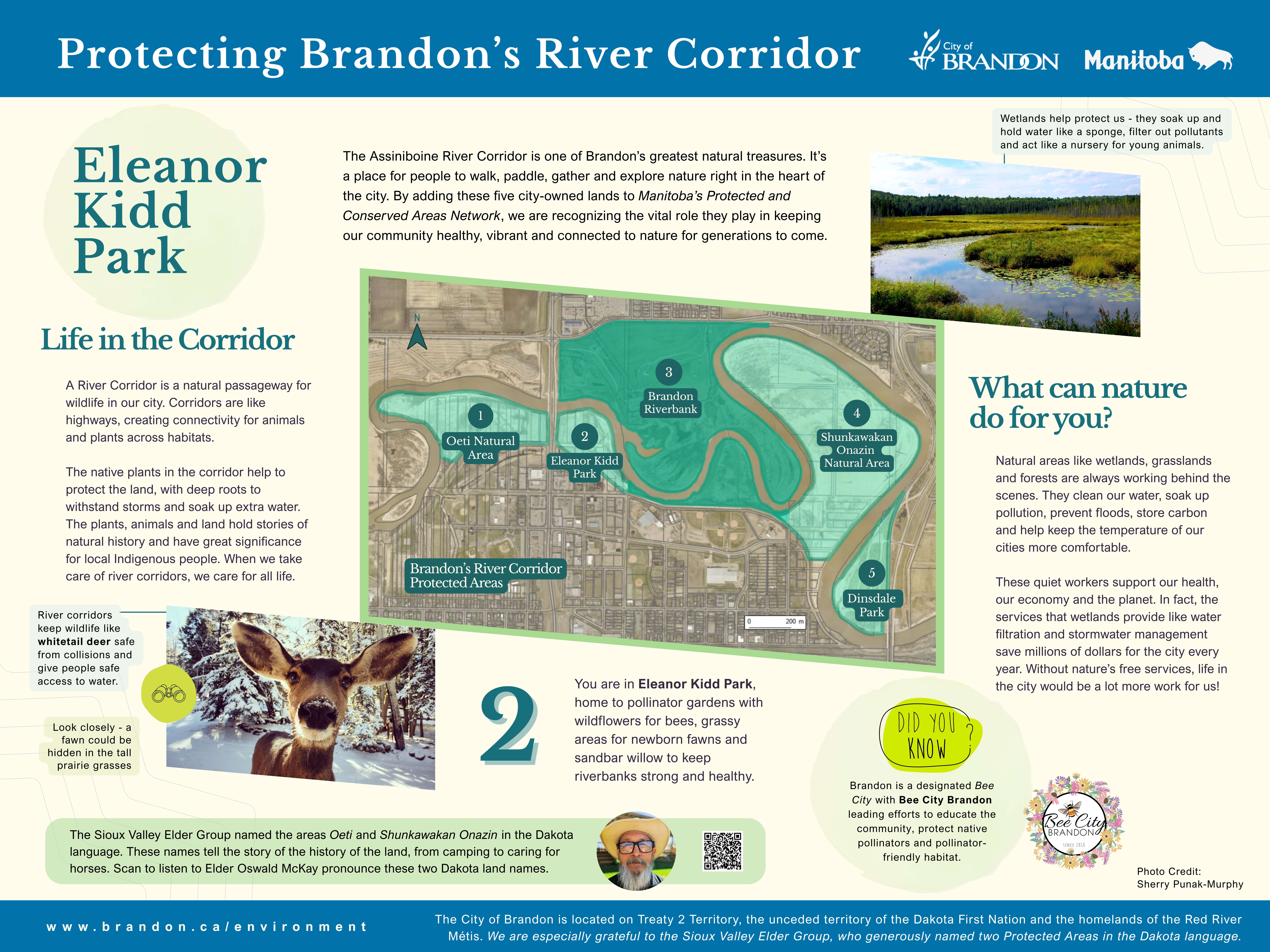
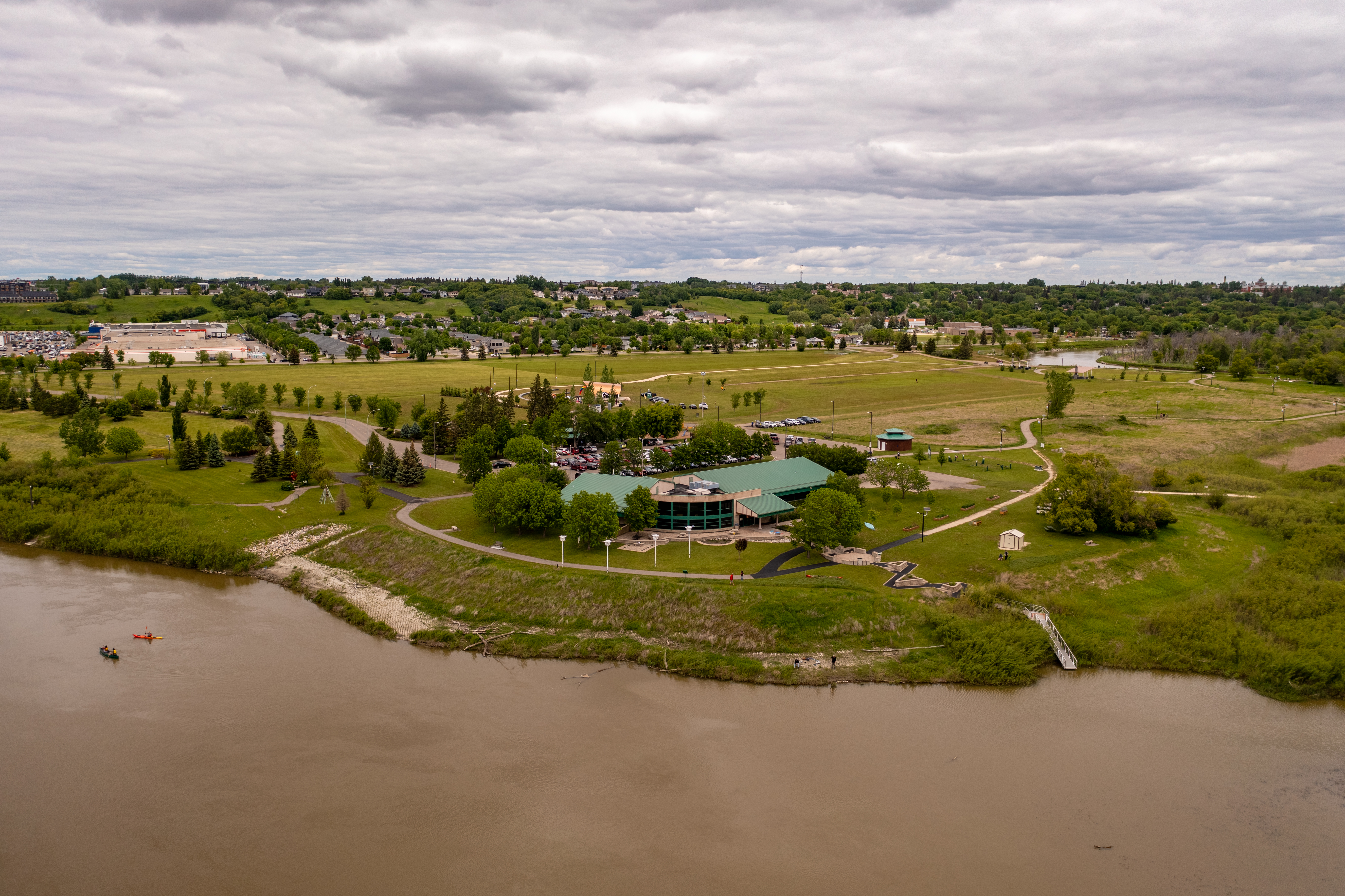
Brandon, MB — The City of Brandon and the Province of Manitoba are working together to protect and celebrate five of the city’s most valued natural resources. Several municipal parks and city-owned lands along the Assiniboine River have been added to Manitoba’s Network of Protected and Conserved Areas, formally recognizing the ecological importance of Brandon’s river corridor.
Protecting these lands ensures that these city-owned lands will be safeguarded from future development, ensuring that families continue to enjoy them as they have in the past. Residents and visitors are encouraged to gather, explore, celebrate, and connect with nature, maintaining the longstanding traditions associated with these spaces.
“Manitobans care about nature.” said Mike Moyes, Minister of Environment and Climate Change. “Protected areas, in Brandon and across our province, provide critical habitat for plants and animals, give us clean air and water, store carbon, protect our communities during extreme weather, and support our well-being and mental health. I applaud the City of Brandon for their commitment to ensure that future generations of Manitobans can enjoy these newly protected areas. This announcement supports our government's commitment to protect more of Manitoba's diverse landscapes.”
“Protecting these spaces just makes sense. They’re part of what makes Brandon such a great place to live, whether you’re out for a walk by the river, watching wildlife, or just spending time with family,” said Mayor Fawcett. “By working with the Province and our partners, we’re making sure these areas are here for the long run. These lands support recreation, connect residents with nature, and provide important environmental benefits such as flood mitigation, wildlife habitat, and climate resilience. This designation recognizes the strong stewardship already taking place and reinforces the City of Brandon’s commitment to protecting these spaces.”
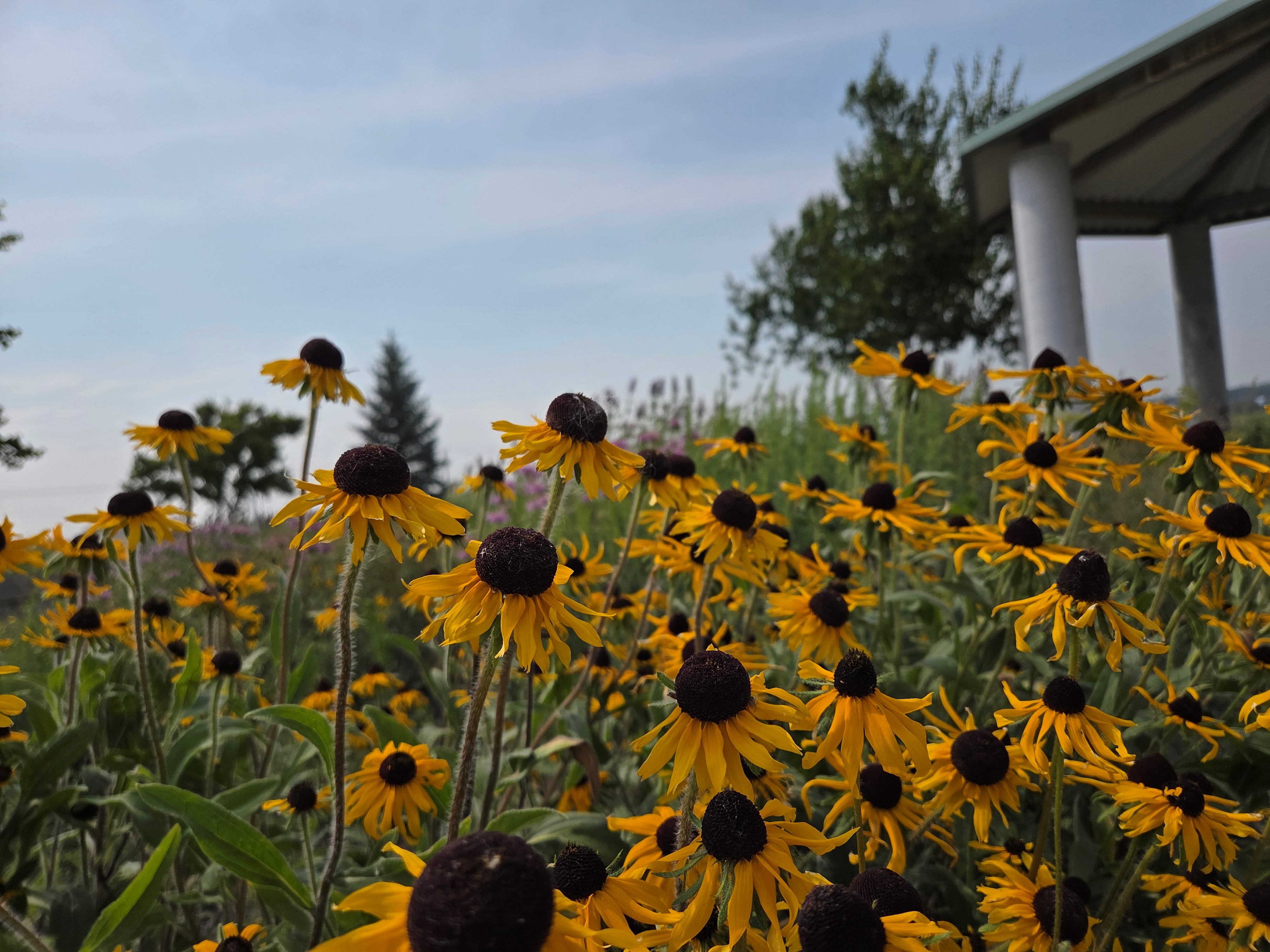
The river corridor contains wetlands, grasslands, and native plants that help filter water, reduce erosion, manage flooding and store carbon. These natural systems act as a living buffer against extreme weather while providing cooling benefits during hot summer months.
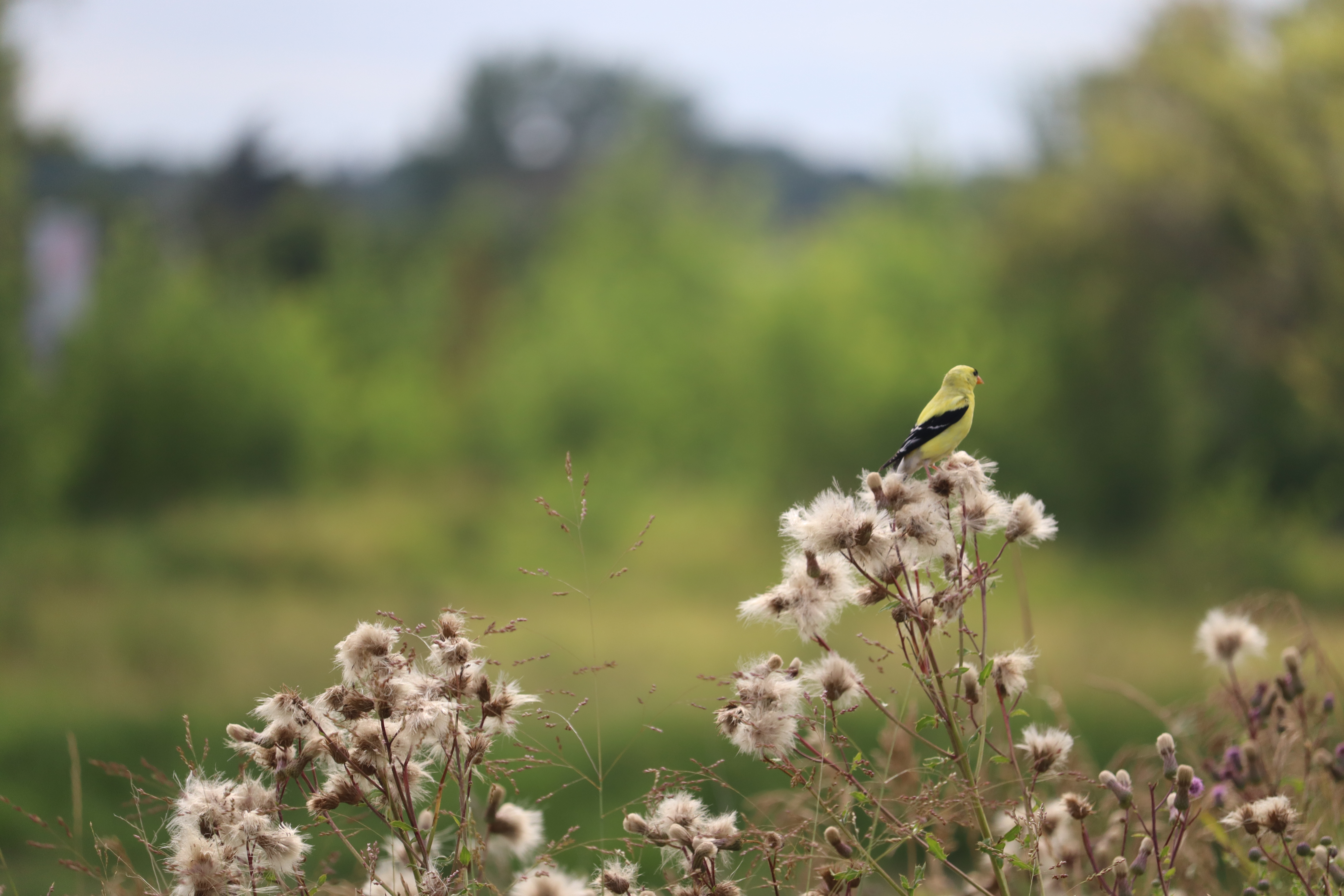
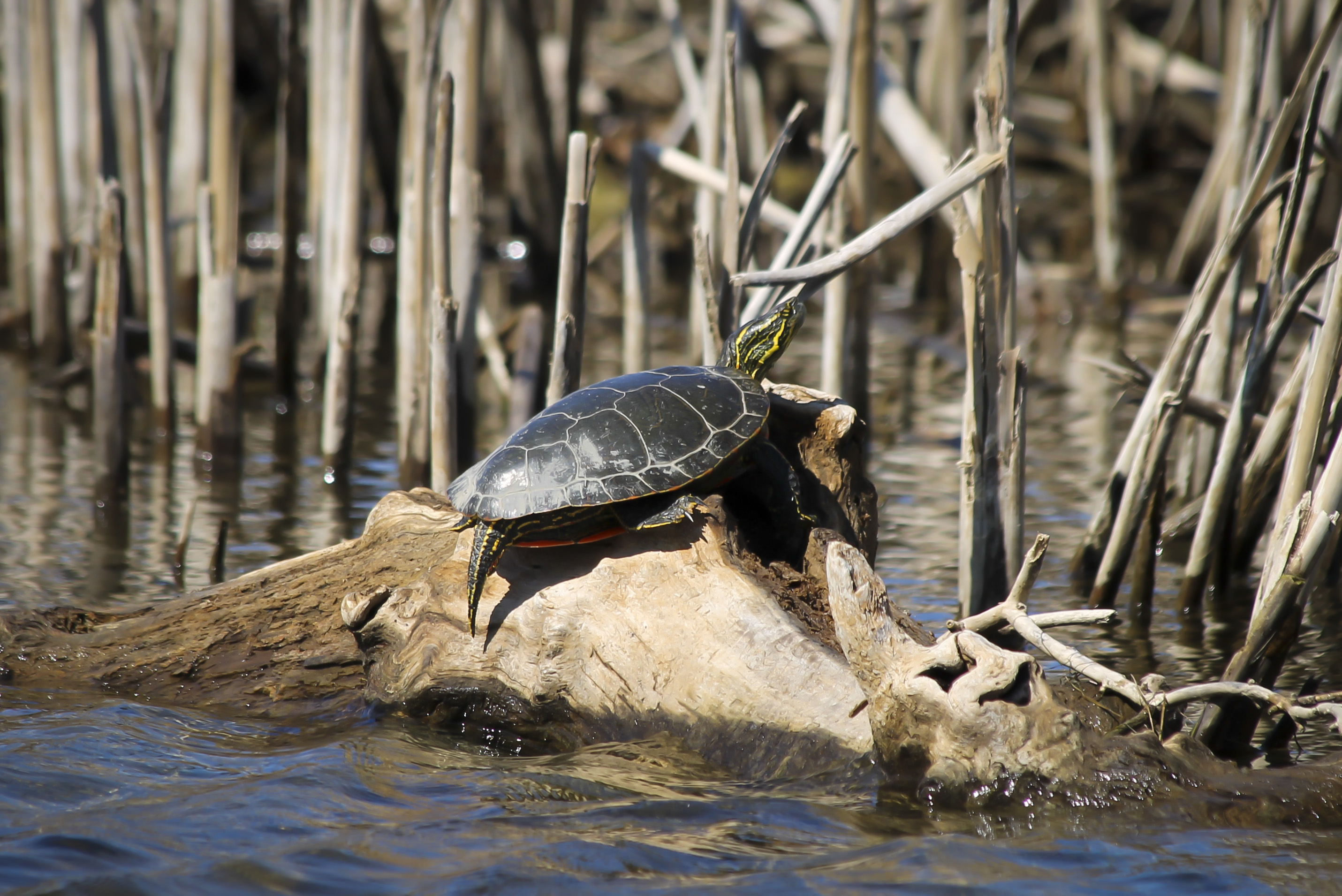
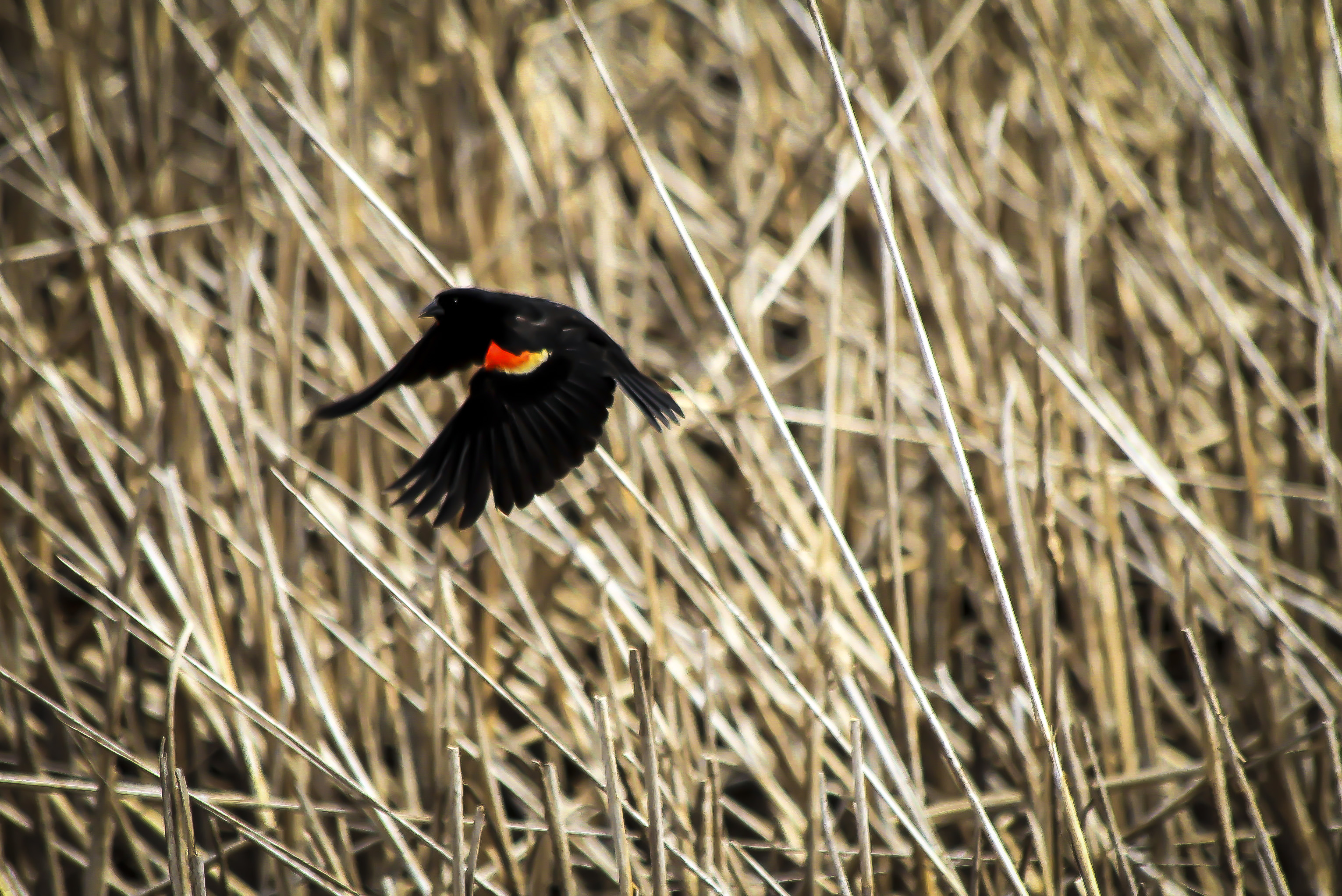
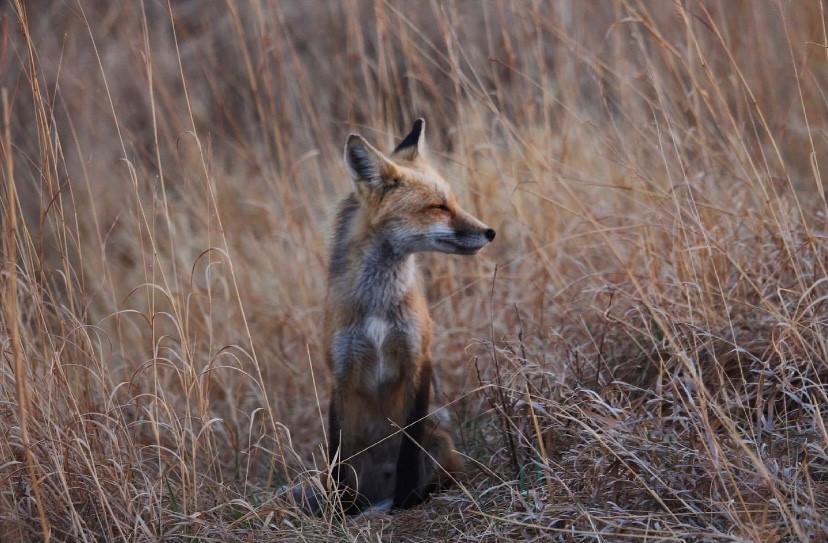
The corridor also serves as an important wildlife pathway through the city, supporting pollinators, birds and other species. Native plants with deep root systems help stabilize soils, absorb excess water and withstand storms - benefits that contribute to the safety and resilience of the community.
Beyond their ecological value, these lands hold deep cultural and historical significance, particularly for Indigenous peoples whose connections to the Assiniboine River and surrounding landscapes span generations.
In collaboration with Sioux Valley Dakota Nation, the City of Brandon has taken meaningful steps toward reconciliation, including working with the Sioux Valley Elder Group to name two previously unnamed natural areas to Oeti and Shunkawakan Onazin. These names tell the story of the history of the land, from camping to caring for horses.
The designation also recognizes the ongoing efforts of the City of Brandon and community partners such as Riverbank Inc. and Bee City Brandon, whose work in restoration, education and stewardship helps maintain and enhance these natural spaces.
Urban natural areas quietly provide essential services that would otherwise cost millions of dollars to replace, including stormwater management, water filtration and carbon storage. Protecting them is both an environmental and economic investment.
Behind the Name: The meaning of Oeti
Behind the Name: The meaning of Shunkawakan Onazin